
Wheat Flour (A Nutrient-Packed Staple) Exporter
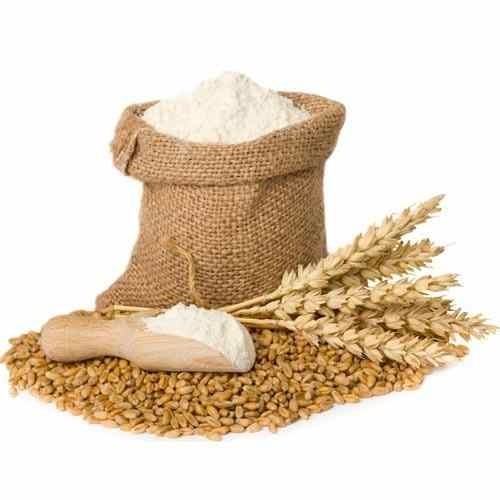
uses, benefits, and nutritional values of wheat flour:
Wheat flour, derived from the cereal grain Triticum, is a versatile ingredient used in various culinary applications. It comes in different forms, including whole wheat flour and refined white flour. Here’s what you need to know:
Nutritional Value (Whole-Grain Wheat Flour per 100g):
- Calories: 340
- Water: 11%
- Protein: 13.2g
- Carbohydrates: 72g
- Sugar: 0.4g
- Fiber: 10.7g
- Fat: 2.5g
Carbohydrates:
- Wheat is primarily composed of carbs, with starch being the predominant type. However, both white and whole wheat have a high glycemic index (GI), which may impact blood sugar levels, especially for individuals with diabetes.
Fiber
- Whole wheat flour is rich in fiber, contributing to gut health. Unfortunately, refined flour lacks most of this fiber due to the removal of bran during milling.
Antioxidants and Vitamins
- Whole-grain wheat contains antioxidants, vitamins (such as B-1, B-3, and B-5), and minerals. These nutrients support overall health.
Iron and Calcium
- Whole wheat flour provides more iron and calcium compared to white flour.
Protein
- Wheat flour contains moderate amounts of protein, essential for tissue repair and overall body function.
Versatility
- Wheat flour is a key ingredient in baked goods like bread, pasta, noodles, semolina, bulgur, and couscous.
Caveat: Gluten Content
- Wheat products contain gluten, which can trigger immune responses in sensitive individuals. People with celiac disease or gluten intolerance should choose alternatives.
In summary, whole-grain wheat flour offers a wealth of nutrients, while refined white flour lacks many of these benefits. Incorporate whole wheat into your diet for its health advantages and culinary versatility.
Quick Links
- Finger Millet / Ragi Exporter
- Bamboo Rice Millet Exporter
- Amaranth Millet Exporter
- Kodo Millet Exporter
- Barnyard Millet Exporter
- BrownTop Millet Exporter
- Fonio Millet Exporter
- Panicum Miliaceum Exporter
- Pearl Millet / Bajra Exporter
- Sorghum Millet Exporter
- Foxtail Millet Exporter
- Wheat Flour (A Nutrient-Packed Staple) Exporter
- Little Millet Exporter